Posts

Finding Yourself Again

Image
Somewhere between growing up, meeting expectations, changing jobs, becoming a partner, a parent, or simply trying to get through each day, it's easy to lose sight of who we really are. The things that once made us feel alive can quietly slip away. We become so busy taking care of everyone else that we forget to check in with ourselves. The good news? You are not lost forever. Finding yourself again doesn't have to mean making huge life changes. It can start with small moments, revisiting an old hobby, spending time in nature, saying "no" without guilt, or asking yourself, "What brings me joy?" Give yourself permission to grow into a new version of yourself while holding onto the parts that have always mattered. You don't need to become someone new—you simply need to reconnect with the person you've always been. Be patient with yourself. Home isn't always a place. Sometimes, it's finding your way back to you. 💛

The Power of Play in Counselling: More Than Just Fun and Games

Image
When we think about play, words like imaginative, joyful, creative, social, expressive, and fun often come to mind. For children, however, play is far more than entertainment. It is their natural language, their way of understanding the world, building relationships, expressing emotions, and communicating experiences that they may not yet have the words to explain. In counselling, play is not a distraction from the therapeutic process. It is the therapeutic process. Why Play Matters Play is recognised as a fundamental right for every child. Article 31 of the United Nations Convention on the Rights of the Child highlights a child's right to rest, leisure, play, and recreational activities appropriate to their age. Play supports every area of development: Emotional wellbeing Social skills Communication Problem-solving Creativity Physical development Resilience and coping skills Research also tells us that the first 1001 days of a child's life are a crucial period for ...

Online Counselling: Therapy in Your Pocket

Image
  Have you ever wished you could attend an appointment without battling traffic, finding a parking space, or wondering if you remembered to brush your hair? If so, online counselling might be exactly what you're looking for. As a counsellor, one of the questions I hear most often is: "Does online counselling really work?" The short answer is yes. The slightly longer answer is yes, and it offers some unique benefits that many people find surprisingly helpful. Let's explore what online counselling is, who it can help, and why more people of all ages are choosing to connect with a counsellor from the comfort of their own space. What Is Online Counselling? Online counselling is simply counselling that takes place through a secure video platform, phone call, or sometimes even messaging services. Instead of sitting together in a counselling room, we meet virtually. Think of it as bringing the counselling room to you. Whether you're at your kitchen table, in your home of...

Dinosaur Therapy

Image
Sometimes support is needed in the form of tiny dinosaurs with big feelings.

New Year, Improved Me: Setting SMART Goals

Image
New year, improved me" is about using the fresh start of January to set goals for personal growth, focusing on small, specific and kind changes. Some of these may be exercising more, learning a new skill, decluttering, or improving health, rather than overwhelming resolutions, to foster lasting positive changes in your career, well-being, and relationships. Key is to plan realistically, reflect on the past year's lessons, and treat improvement as an ongoing journey, not just a one-time event.   Common Areas for Improvement Health & Wellness:  Exercise (e.g., 15 mins daily), healthier eating, getting closer to nature, improving sleep. Career & Skills:  Update resume/LinkedIn, network, learn a new skill (coding, design), take a course, find a mentor. Mindset & Habits:  Practice gratitude, declutter, try new experiences, be kind to yourself and others, plan enjoyable activities. Relationships:  Spend quality time with loved ones, give back t...

Commonly Asked Questions for a First Therapy Appointment

Image
  Let’s take the mystery out of your first session Starting therapy can feel a bit like walking into a movie halfway through. You’re not sure what’s going on, who the main characters are, or whether snacks are allowed. But don’t worry, we’ve got you covered. Here’s a rundown of questions people often ask before or during their first therapy appointment. If you’ve been wondering any of these, you’re in good company. 💬 1. “What should I talk about?” Anything you want! Some people come in with a list, others just say, “I don’t know where to start.” Both are totally okay. 🛋️ 2. “Do I have to lie down on a couch?” Nope! Unless you want to. Most therapy sessions happen sitting upright in a comfy chair. The couch thing is more of a Hollywood myth than a requirement. 🕒 3. “How long is a session?” Typically, sessions last around 50 minutes. Just enough time to unpack a few thoughts, but not so long that you forget where you parked. 🧠 4. “Will you tell me what to do?” No. I'll help you e...

10 Self-Care Apps

Has Instagram or TikTok told you to take a break from scrolling? Maybe you have changed the setting so you dont get these notifications. Phone's and their apps, play a big part in our society and lets face it, the're addictive. Studies continue to be carried out to find a link between social media and mental health. In 2020 Muacevic and Adler  found a correlation between 'social media envy' with anxiety and depression.  With the 2.7 million apps available on Google Play Store it got me thinking, how many can be benifical to our mental health and well-being? Maybe our phones could help with our self-care? Well, I did the research so you dont have to. Here are 10 of the best apps I could find to promote self-care, and the best part is, they're all free! Happify Headspace MyOasis Recolour Paper throw grand mountain adventure personal zen i love hue virtual cottage blue two dots wordscapes Penguine Ise

Understanding Stages of Development

Life is a journey filled with growth, change, and self-discovery. One of the most helpful ways to understand this journey comes from psychologist Erik Erikson, who described eight stages of psychosocial development, from infancy to late adulthood. Each stage brings its own challenges and opportunities for growth. When we understand where we are (and where we’ve been), it can help us make sense of our experiences, relationships, and the person we’re becoming. Let’s walk through each stage together : 1. Infancy (Birth – 18 months): Trust vs. Mistrust In this first stage, babies learn whether the world is a safe place. When caregivers are loving and responsive, trust begins to grow. Key question: “Can I trust the world around me?” 2. Early Childhood (2 – 3 years): Autonomy vs. Shame and Doubt Toddlers start exploring independence — wanting to do things by themselves! Supportive encouragement helps them develop confidence, while too much control can lead to self-doubt. Key quest...

🎃 Halloween and Mindfulness: Supporting Sensory Needs and Mental Health

Halloween can be such a magical time of year with pumpkins glowing in windows , creative costumes, and the excitement of trick-or-treating. For many, it’s a season of fun and imagination. But for others, especially those with sensory sensitivities or mental health challenges, Halloween can bring more stress than sparkle. With a little mindfulness and understanding, we can make Halloween enjoyable for everyone. Understanding Sensory Needs During Halloween Halloween is full of sensory experiences: bright lights, loud noises, scratchy costumes, new smells, and crowded events. For people who are neurodivergent, autistic, or have sensory processing differences, these sensations can feel overwhelming rather than exciting. Even for those without diagnosed sensory sensitivities, all that stimulation can still be a lot! Loud music, flashing lights, and unpredictable surprises can easily lead to fatigue, irritability, or anxiety. Being mindful of sensory needs means noticing how we, and those ar...

Understanding Attachment

Image
Have you ever wondered why you connect with some people easily, but find relationships with others more challenging? Much of this comes down to something called attachment,   the emotional bond we form with others, starting from our earliest experiences in life. What Is Attachment? Attachment is the deep emotional connection we first form with our primary caregivers, usually our parents. These early relationships teach us what to expect from others, whether people are safe, dependable, and emotionally available. Over time, these early patterns can influence how we connect with partners, friends, and even our own children. The Four Main Attachment Styles Secure Attachment – People with a secure attachment style generally feel comfortable giving and receiving love. They trust others and themselves in relationships and can communicate their needs openly. Anxious Attachment – Those with this style often worry about being rejected or abandoned. They might crave closeness but als...

A Storm at Sea - Poem on Grief

Image
 

Anger - What is it & How to Express it

Image
  "My anger was not a demon to be tamed , it was a wound that needs to be healed” - Issac Rowe Anger is a normal emotion to have and is usually experienced when an unpleasant feeling occurs.  Anger is a ‘bodyguard’ emotion, protecting other emotions from being seen. Referred to as a 'secondary emotion' anger overs up  other vulnerable feelings such as shame, fear and loss,  embarrassment or rejection. Anger can be linked to aggression, but not all the time. Most people try to avoid this feeling of aggression. However, anger can also lead people to feel misunderstood and isolated. When we feel under threat anger presents itself and pushes people away. As the saying goes, 'attack is the best form of defence.' Like an iceberg, anger is seen easily from the surface. However, it's hard to see what is underneath, or the triggering emotions. Therefore its difficult to see the primary emotion. Anger and Attachment People who get attached in a disorganized way battle be...

Managing Anxiety

Image
Anxiety is a common mental health concern that can have a significant impact on a person's life.  Anxiety can be a challenging emotion to deal with and sometimes it's hard to know where to turn for help. It can cause physical symptoms like a rapid heartbeat, shortness or breath, and nausea. It can also lead to feelings of fear, worry and nervousness. However, it's important to know that anxiety is a normal and natural response to stress. Here are a few tips for managing anxiety: 1. Identify the source of your anxiety. Is it a particular situation or person that triggers your anxiety? Once you know what triggers it, you can work on avoiding or managing those triggers. 2. Practice relaxation techniques. Deep breathing can help calm your mind and reduce anxiety. Relaxation techniques can help you develop a sense of calm and control.  3. Exercise is a great way to reduce the physical symptoms of anxiety, and help release endorphins which can help lift your mood.  4.Talk to so...

Managing Stress

Image
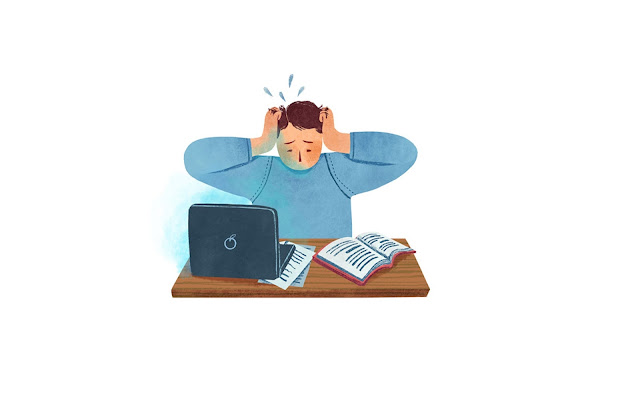
  Whether its in education, the workplace or at home, stress can occur to anyone at any time.  According to the World Heath Organisation 'Stress' is a "state of worry or mental tension caused by a difficult situation. Stress is a natural human response that prompts us to address challenges and threats in our lives." Stress is often seen as something bad, however it can be good in certain situations. Positive stress is short-term and motivates us to focus our energy on enhancing our performance. Negative stress is the kind that leaves us feeling exhausted, jittery, and is harmful to your health. Negative stress can lead to anxiety, poor concentration and a decrease in performance. Below are a few things to consider when trying to manage stress. 1. . Practice self-compassion. Its okay to make mistakes. Learn from them and don't dwell on the past. 2. Set a routine to reduce the number of decisions you have to make. Decisions take time to make and create mental tensio...

Women's History Month in Books

Image
                        "Celebrating Women Who Tell Our Stories."  Women's History Month is coming to an end for 2023. As I continued to understand the journey some women take in life Iv listened to podcasts and now iv read books. Below are 4 books covering a range of issues including motherhood, cancer, careers, marriage, divorce and body image. The Little Book of Self-Care For Mums-To-Be Beccy Hands & Alexis Stickland “Discover everything you need to know about pregnancy and birth to feel empowered, prepared and understood.” Whether this is your 1 st or 5 th baby this book is your reassurance guide to supporting you through the challenges and celebrating the highs. Drawing on decades of experience from midwife Alexis Stickland and doula Beccy Hands, you’ll find tried and tested tips to help you feel calm and comfortable, however your pregnancy and birth unfolds. From the best morning sickness remedies and sim...

My Social Media

Image
  Click Here to Open My Facebook Page Click To Go To My Instagram

Women's History Month In Podcasts

Image
 "Celebrating Women Who Tell Our Stories."           While on a mission to deepen my understanding of the differences and diversities faced by women, I chose to listen to podcasts that told the stories of women faced with a range of mental health struggles.          I listened to a ctress Lucy Hale opening up about eating disorders, relationships and addiction. Lauren from the podcast 'Loudest Girl in The World' talks about getting her autism diagnosis in her 40's.  Alessandra Olanow take an alternative view, talking about drawing feelings, grief, and not judging ourselves, while  Mari Grande speaks about the ‘Mother Wound’ and the impact of trauma on daughters of critical mothers. Diary of a CEO Episode 224 – Lucy Hale “Do you speak to yourself the way you speak to those you love?” Actress Lucy Hale opens up about eating disorders, relationships and addiction for the first time to Steven Bartlett. Listeners ...

BACP

BACP