Posts

Understanding Stages of Development

Life is a journey filled with growth, change, and self-discovery. One of the most helpful ways to understand this journey comes from psychologist Erik Erikson, who described eight stages of psychosocial development, from infancy to late adulthood. Each stage brings its own challenges and opportunities for growth. When we understand where we are (and where we’ve been), it can help us make sense of our experiences, relationships, and the person we’re becoming. Let’s walk through each stage together : 1. Infancy (Birth – 18 months): Trust vs. Mistrust In this first stage, babies learn whether the world is a safe place. When caregivers are loving and responsive, trust begins to grow. Key question: “Can I trust the world around me?” 2. Early Childhood (2 – 3 years): Autonomy vs. Shame and Doubt Toddlers start exploring independence — wanting to do things by themselves! Supportive encouragement helps them develop confidence, while too much control can lead to self-doubt. Key quest...

🎃 Halloween and Mindfulness: Supporting Sensory Needs and Mental Health

Halloween can be such a magical time of year with pumpkins glowing in windows , creative costumes, and the excitement of trick-or-treating. For many, it’s a season of fun and imagination. But for others, especially those with sensory sensitivities or mental health challenges, Halloween can bring more stress than sparkle. With a little mindfulness and understanding, we can make Halloween enjoyable for everyone. Understanding Sensory Needs During Halloween Halloween is full of sensory experiences: bright lights, loud noises, scratchy costumes, new smells, and crowded events. For people who are neurodivergent, autistic, or have sensory processing differences, these sensations can feel overwhelming rather than exciting. Even for those without diagnosed sensory sensitivities, all that stimulation can still be a lot! Loud music, flashing lights, and unpredictable surprises can easily lead to fatigue, irritability, or anxiety. Being mindful of sensory needs means noticing how we, and those ar...

Understanding Attachment

Image
Have you ever wondered why you connect with some people easily, but find relationships with others more challenging? Much of this comes down to something called attachment,   the emotional bond we form with others, starting from our earliest experiences in life. What Is Attachment? Attachment is the deep emotional connection we first form with our primary caregivers, usually our parents. These early relationships teach us what to expect from others, whether people are safe, dependable, and emotionally available. Over time, these early patterns can influence how we connect with partners, friends, and even our own children. The Four Main Attachment Styles Secure Attachment – People with a secure attachment style generally feel comfortable giving and receiving love. They trust others and themselves in relationships and can communicate their needs openly. Anxious Attachment – Those with this style often worry about being rejected or abandoned. They might crave closeness but als...

A Storm at Sea - Poem on Grief

Image
 

Anger - What is it & How to Express it

Image
  "My anger was not a demon to be tamed , it was a wound that needs to be healed” - Issac Rowe Anger is a normal emotion to have and is usually experienced when an unpleasant feeling occurs.  Anger is a ‘bodyguard’ emotion, protecting other emotions from being seen. Referred to as a 'secondary emotion' anger overs up  other vulnerable feelings such as shame, fear and loss,  embarrassment or rejection. Anger can be linked to aggression, but not all the time. Most people try to avoid this feeling of aggression. However, anger can also lead people to feel misunderstood and isolated. When we feel under threat anger presents itself and pushes people away. As the saying goes, 'attack is the best form of defence.' Like an iceberg, anger is seen easily from the surface. However, it's hard to see what is underneath, or the triggering emotions. Therefore its difficult to see the primary emotion. Anger and Attachment People who get attached in a disorganized way battle be...

Managing Anxiety

Image
Anxiety is a common mental health concern that can have a significant impact on a person's life.  Anxiety can be a challenging emotion to deal with and sometimes it's hard to know where to turn for help. It can cause physical symptoms like a rapid heartbeat, shortness or breath, and nausea. It can also lead to feelings of fear, worry and nervousness. However, it's important to know that anxiety is a normal and natural response to stress. Here are a few tips for managing anxiety: 1. Identify the source of your anxiety. Is it a particular situation or person that triggers your anxiety? Once you know what triggers it, you can work on avoiding or managing those triggers. 2. Practice relaxation techniques. Deep breathing can help calm your mind and reduce anxiety. Relaxation techniques can help you develop a sense of calm and control.  3. Exercise is a great way to reduce the physical symptoms of anxiety, and help release endorphins which can help lift your mood.  4.Talk to so...

Managing Stress

Image
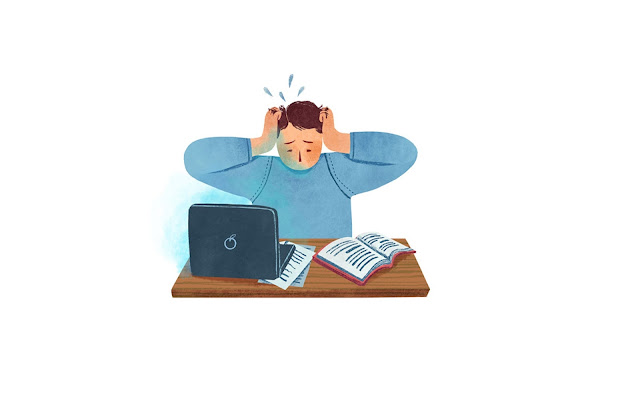
  Whether its in education, the workplace or at home, stress can occur to anyone at any time.  According to the World Heath Organisation 'Stress' is a "state of worry or mental tension caused by a difficult situation. Stress is a natural human response that prompts us to address challenges and threats in our lives." Stress is often seen as something bad, however it can be good in certain situations. Positive stress is short-term and motivates us to focus our energy on enhancing our performance. Negative stress is the kind that leaves us feeling exhausted, jittery, and is harmful to your health. Negative stress can lead to anxiety, poor concentration and a decrease in performance. Below are a few things to consider when trying to manage stress. 1. . Practice self-compassion. Its okay to make mistakes. Learn from them and don't dwell on the past. 2. Set a routine to reduce the number of decisions you have to make. Decisions take time to make and create mental tensio...

BACP

BACP